

Child development unfolds within a system—a living, dynamic, relational system that we call the family.
And if we want to properly understand child developmental challenges in behavior, learning, relating, and playing—we must shift our perspective.
We must shift our attention to the family as i...
Participatory and Perspectival Learning
To understand development properly, we must begin with participatory and perspectival learning:
- Participatory → the child learns by being in the interaction
- Perspectival → the child learns by seeing and interpreting the world through action
From a ...
A Clinical Map for Clinicians and Parents
There is a growing tension in the applied sciences—and if we’re honest, many clinicians feel it and know this is the case.
On one side, we have a precise, evidence-based science like Applied Behavior Analysis. On the other, we have a growing recognition...

The True, Good, and Beautiful of Child Development
Child development and family deserve a stable, sustainable relationship that is productive, generous, playful and reciprocal across the short, medium to long term. We all intuitively know this to be true, good and beautiful, but we do not yet ha...
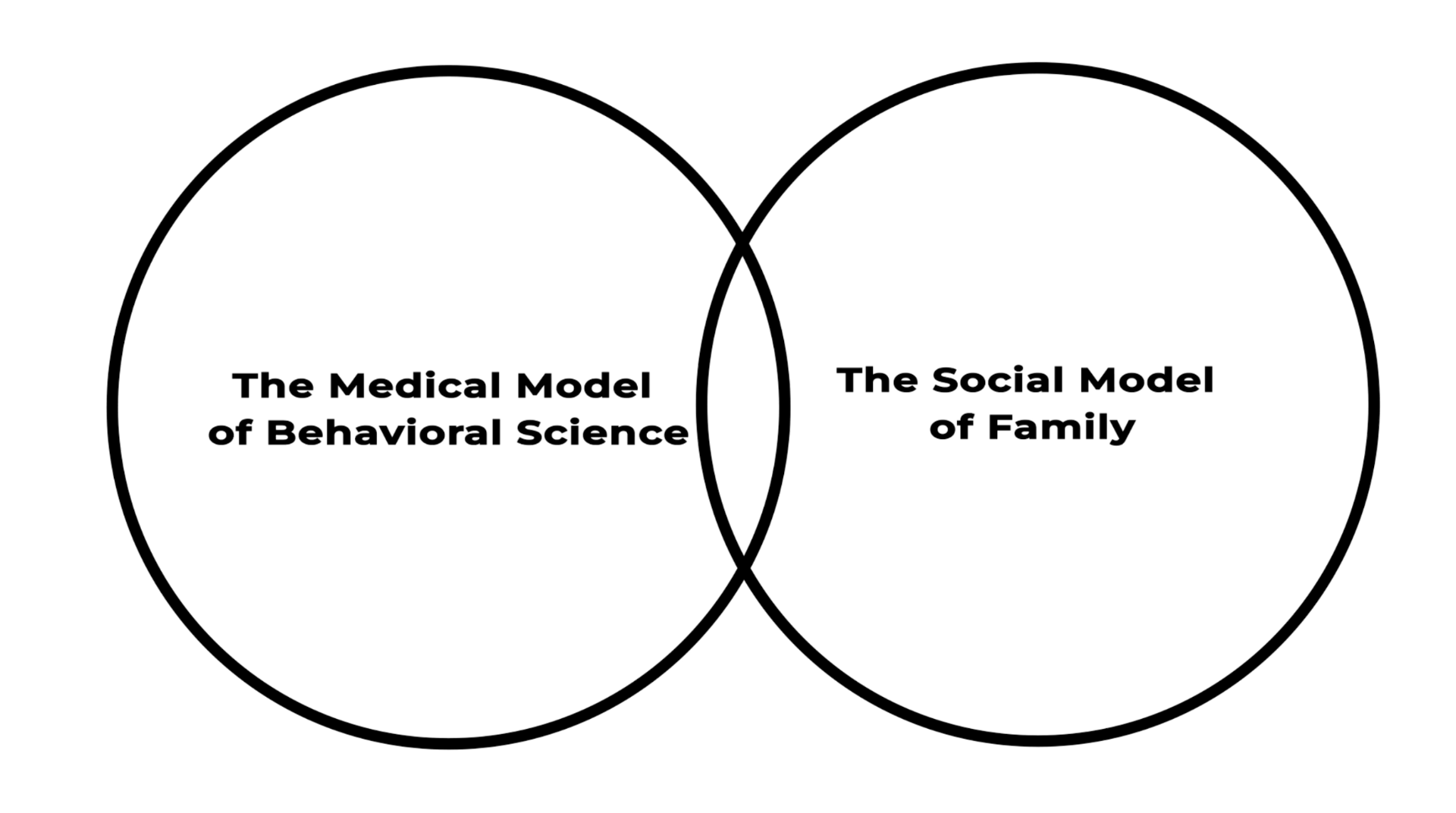
A Practical Guide for Parents and Therapist
Child development is often misunderstood because the medical model reduces it to isolated parts.
We measure behaviors. We track data. We place symptoms into objective categories. And objective categories become first-person identities.
And yet, desp...
